Some quantity of spoiled and damaged foods are an inevitable part of supermarket and food manufacturing operations. Being able to divert these food products from landfills has been a challenge given that many foods are sealed in packaging. However, biocycle details how one massachusetts company, e. L.
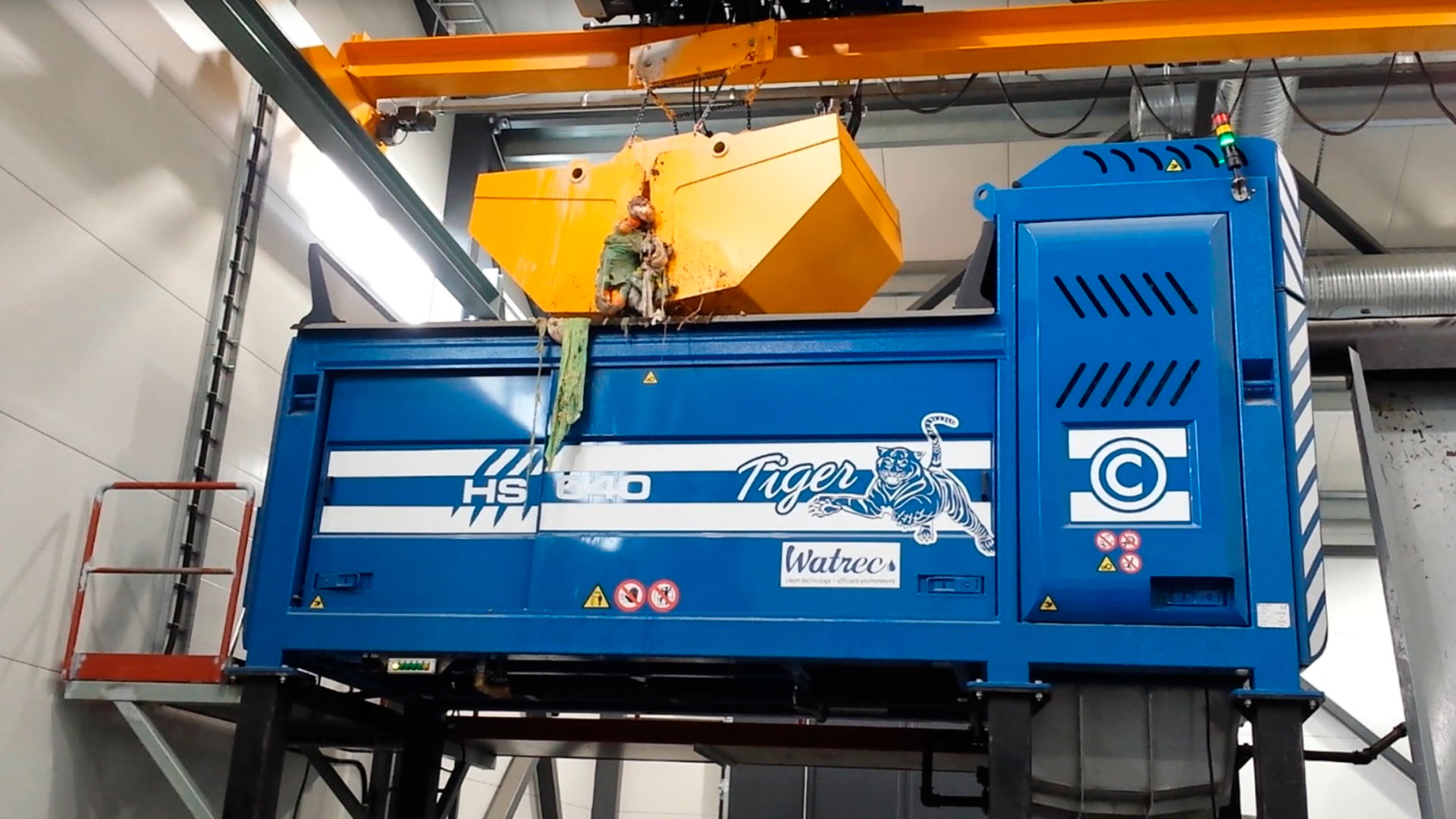 Harvey & sons inc. , invested in mechanical separation technology to remove packaging from food. E. L.
Harvey received a grant through massdep’s recycling business development grant (rbdg) program which enabled them to purchase and install the separator. E. L.
Harvey is a hauling company that handles trash, recycling, food
waste
, and construction and demolition debris.
Harvey & sons inc. , invested in mechanical separation technology to remove packaging from food. E. L.
Harvey received a grant through massdep’s recycling business development grant (rbdg) program which enabled them to purchase and install the separator. E. L.
Harvey is a hauling company that handles trash, recycling, food
waste
, and construction and demolition debris.
Wellesley, massachusetts-based vanguard renewables was created with the primary goal of transforming what was once considered waste into renewable energy to power homes, businesses and communities. Working directly with food manufacturers and other organic waste producers from across the food and beverage spectrum, the renewable energy company’s projects have placed an emphasis on recycling organic waste that would have previously ended up in a landfill. With seven operating facilities located across the northeast, vanguard renewables collects inedible or unusable food waste, along with other organics , which are delivered to the company’s farm-powered anaerobic digestors.
At granville eco park, the process goes beyond just recycling food waste. At our award-winning a. D. Facility near dungannon we process food waste including packaged items – our de-packaging system aims to save customers time and money. By optimizing convenience we believe we can maximise the food waste that is saved from landfill. We convert this food waste into 3 climate fighting products: we know today’s consumers expect forward thinking for our environment – at granville eco park we’ve been helping businesses become more sustainable along the way. We are proud to have established a new route for food waste and are continuously committed to the highest standards quality and compliance.
Their goal is decreasing food waste and increasing food security. We want edible food to first go to feeding people and animals, but unfortunately some food is inedible and needs to be diverted from landfills and recycled. Green era supports the epa’s food recovery hierarchy , which views landfills only as a last resort.
Need a Waste Audit?
Andigestion offer a fully traceable, safe and secure destruction process that will protect brand identity and black market re-sales. All organic waste is removed from its packaging by our depackaging machines and processed via anaerobic digestion. At the holsworthy plant every part of the packaging is securely shredded, bulked and destroyed by incineration at an energy from waste facility with the benefits of generating energy from your waste packaging too. With this we can guarantee zero waste to landfill. At our bishops cleeve facility the shredded waste is disposed of via the adjacent landfill site. All goods received are processed as soon as possible and monitored by cctv, a certificate of destruction is issued for your audit trail and peace of mind.
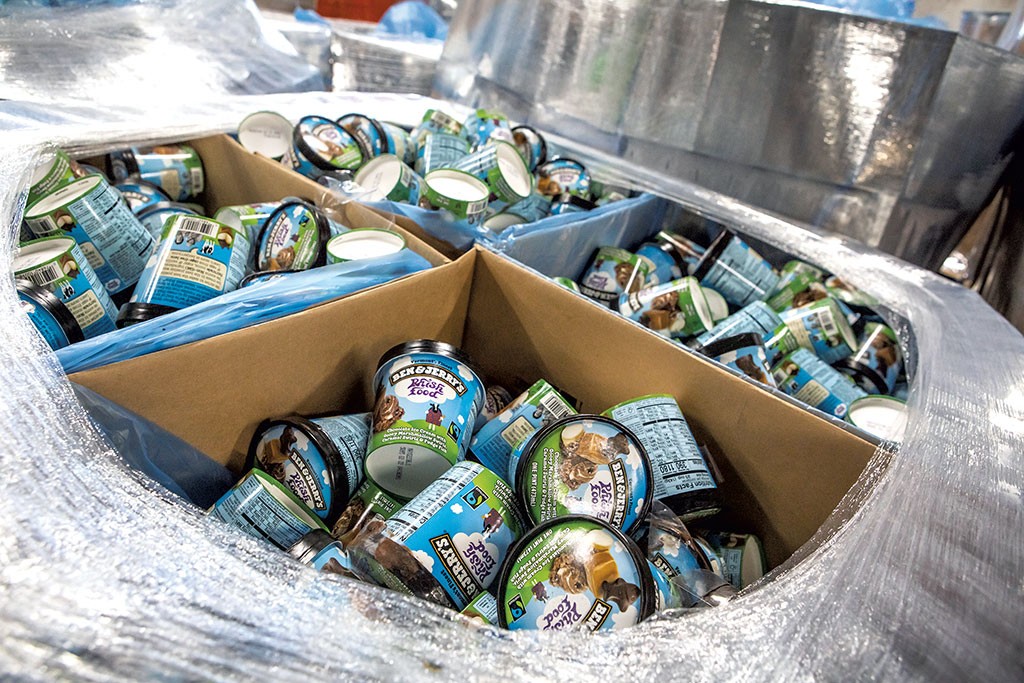
food waste depackaging equipment
Specialized robust depackaging machines accept materials ranging from frozen foods, canned foods, vacuum packed meats and fish to bulk packaged breads, chips, snacks to chewy candy bars and bakery products. The gentle depacking process aims to keep packaging intact to produce clean food waste with a limited amount of contamination. Long rotating screens with full circumference screening holes and various screen sizes allow for a variety of output streams without the need to add water. Packaged foods enter the machine, and two streams come out – clean, organic matter free of any packaging scraps; and empty, recyclable packaging free of organic matter.
Food waste is one of the greatest challenges of our time and one that directly impacts people, planet, and profit. That being said, the average person may not realize how the food they throw away can have a negative impact on climate change. According to the usda, food waste is estimated to equal 30 to 40 percent of the food produced in the us. Some of this can be attributed to household overconsumption, but in food manufacturing, there is waste evident at even the most advanced and conscientious manufacturing facilities.
The process while great care is exercised by manufacturers to maintain food integrity, occasionally unforeseen challenges arise which render the products no longer safe for human consumption. This includes foods not sold by the expiration date or materials that for whatever reason, failed to maintain their refrigerated state due to equipment failure. Total organics recycling can arrange for commercial manufacturers packaged spoilage to arrive at st. Louis composting's depackaging facilities where we can separate the material that cannot be introduced to compost (the packaging), and reclaim the organic material (the food), and help it find a second beneficial purpose. The packaging can then be routed to recycling, disposal, or waste to energy.
Process engineering the hermitage municipal authority completed upgrades at their water pollution control plant that expanded wastewater treatment capacity and introduced a two-phase advanced anaerobic digestion (aad) complex to its current plant operations. This complex optimizes the solids handling train by further promoting biosolids stabilization, biogas recovery, and generating both heat and power. Gas production and power generation are maximized when alternative feedstocks, including high-strength industrial waste, food waste, and grease, are combined with sewage sludge during digestion. Wanting to capitalize on the upgrades by increasing the amount of outside waste received, the authority hired a solid food waste depackaging study and implement the selected technology.
Food waste depackaging suppliers
Depackaging system for food & beverage in food supply chain it often happens that products become waste, and this is due to very strict regulations bound to the specific business area. With the tecnofer depackaging system all of these products, production wastes and unsold/expired products, become a new opportunity of sustainable business. Food waste separated from its packaging, which might be in plastic, cardboard, aluminium, tetra pak, becomes a resource that can be used for feeding anaerobic digestion (ad) plants, compost plants and used by animal feed producers. The materials coming from the packaging could be recycled or sold to a third party.
Products deemed for destruction are received at wrd and processed through an ‘atritor’ depackaging machine (a dedicated labour force is also on site if any manual requirements are needed to enhance the operation), ultimately segregating the materials for recycling or energy production – no materials are landfilled. Our atritor turbo machine separates the packaging from the foods and can handle 25 tonnes per hour. Food wastes are blended to form a mixture suitable for anaerobic digestion. Packaging separated from the process is used to manufacture solid recovered fuel (srf) or refuse derived fuel (rdf) for renewable energy. If there are sufficient levels of recyclable material recovery, these will be destined for secondary recycling.
From 2019 an anaerobic digestion and depackaging plant processes 70,000 tonnes of food waste collected from restaurants, food manufacturers and processors in the north east, significantly reducing miles travelled by the region’s waste. The plant generates 600m3/hr of green gas to be injected into the national grid, enough to heat 1,950 homes. Located in gateshead, wardley biogas was at that time (2019) the only food waste processing plant in tyne and wear. Completed in December 2019, the 3mw ad plant and de-packaging site will mean that waste no longer travels long distances, sometimes over 50 miles, to be processed for energy production further south.
For the most profitable machine, you can own, look no further than the twister depackaging system from Drycake. Feed, separate, process and extract organics in one machine to recover value from expired, discarded or spoiled food. With a compact footprint, the twister can function as a wet or dry organic recovery system, processing bulk commercial waste, pre-or post-consumer food waste and separating the organics from paper, plastic, cardboard or metal packaging.
food waste depackaging Companies
Olympic is the exclusive dealer of the scott turbo separator in california, arizona, nevada, utah, and hawaii. Built in the usa with domestically sourced materials, the scott turbo separator is offered in four models and is customized for each operation. Standard us motors, drives and controls with minimal spare part requirements makes the scott de-packagers the preferred choice for waste, recycling, and renewable energy companies. Capable of processing materials ranging from sso to contaminated food waste streams at up to 20 tons per hour, the flexibility of the scott line of separators is high.
Mike Casella explained about how they can capture both food waste and recyclable material from packaged food products. Depackaging technology and supply chain partnerships can maximize food waste and packaging recovery as a solution to the sheer amounts of food that is wasted annually in the U. S.
“We wanted something different for Drycake’s Twister." Anyone familiar with the food waste depackaging business would have noted that everyone else appears to begin their depackaging and separation of source-separated organics by lowering particle size. ” Most rival depackagers use this to avoid congestion.
To reduce the plastic to small bits, they mill, macerate, chop, or shred it. However, larger pieces are simpler to separate than smaller ones, and why not combine the depackaging and separation stages?” so Drycake went back to the drawing board and created a technology that does not require any cutting and is not reliant on processing plastic by lowering particle size.

No comments:
Post a Comment