Anyone knows that plastics decompose on a very different timescale than organics - they basically don't decompose. Google says it can take anywhere between 20 to 500 years depending on size and structure. Yet our agency of natural resources and vermont's number one
waste
systems management company, casella, believe that we don't have to go through the inconvenient process of separating plastics from food wastes, as mandated by the universal recycling law, at the source.
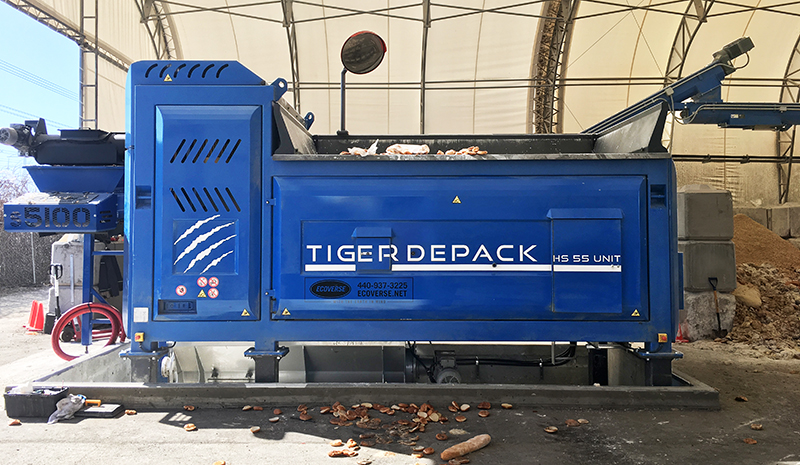 Instead, casella’s new innovative solution to the mandated landfill ban is a so-called depackaging facility that does the hard work automatically and separates food scraps from the plastics that package them.
Hundreds of pints of spoiled ben & jerry's ice cream awaited their fate in a williston warehouse this month. Unfit for sale, the sweet rejects from the company's factories would be scooped up by a worker driving a payloader and tipped with a crash into a filthy metal hopper. Augers would funnel the mess to a monstrous red machine with powerful spinning paddles that would pummel the pints, breaking down the cardboard and plastic packaging and separating most of it from the sugary slop. Welcome to vermont's first waste depackaging facility, where americone dreams go to die. Casella waste systems fired up the $3 million waste-processing plant in january and, with it, a controversy about the new type of food waste it generates.
With the problems being caused to natural systems by the build up of microplastics becoming clearer all the time the argument for the avoidance of microplastic creation has become unassailable. So, the best depackaging equipment now available avoids even the use of large paddles preferring to use the action of air and rotating plates which expel all but the food particles and organic pulp while the heavier grit and small plastic pieces also reside in that fraction. An example of this is seen in the third generation twister depackager by drycake here. Higher solids content is possible in the organic pulp from less destructive equipment designs often due to the lower surface area which needs more water to provide a washing action.
Food Waste Depackaging Systems
Depackaging system
for food & beverage
in food supply chain it often happens that products become waste, and this is due to very strict regulations bound to the specific business area.
With the tecnofer depackaging system all of these products, production wastes and unsold/expired products, become a new opportunity of sustainable business. Food waste separated from its packaging, which might be in plastic, cardboard, aluminium, tetra pak, becomes a resource that can be used for feeding anaerobic digestion (ad) plants, compost plants and used by animal feed producers. The materials coming from the packaging could be recycled or sold to a third party.
Posted by: ken mcentee february 16, 2021 the muscatine, iowa organic recycling center (morc) this month received a pair of awards from the american council of engineering companies (acec) of iowa. Morc, which opened in may 2020, received the grand prize in the water and wastewater category and the overall 2020 competition’s grand conceptor award for the design by stanley consultants , a global provider of engineering, environmental and construction services. The facility operates a depackaging machine that separates food waste from packaging. Jon koch, director of muscatine’s water and resource recovery facility, said businesses up to 200 miles away have expressed interest in hauling organic waste to muscatine for recycling and noted that morc is one of just three municipally owned facilities of its kind in the u.
We load your entire lot of packaged and palleted materials into our depackaging machine which uses a high tech separation system to divide out the food materials into an organic waste holding tank and the other materials like plastics, cardboards, paper and metals (no glass allowed) is dried and separated out as well. The organic waste from the food or beverage can then be processed through our anaerobic digester partners here in washington state, or sent to our skagit soils composting partner where we make our highly sought after landscape mulches. The inorganic materials – cardboard and plastics – are sent back into the supply chain to be repurposed into a wide variety of products.
Diverting organic waste from landfills to value-added product streams. Foodwastedepackaging2. Jpg food waste depackaging system turns throw-aways into biogas and other sustainable fuels.
Systems In U.S. Market
With over 13 years experience in the water and waste water treatment business mseoffer a wide range of their products from centrifuges to hollow fibre membrane systems, screw compacting units, depackaging systems digestate treatment using mbr & mf ro and polymer make-up units. Mse hiller centrifuges are used to clarify effluents and dewater or thicken sludges at process rates of 1 to 150 m3/hr. A fleet of mobile hire units, some with lime stabilisation, are available to rent for temporary sludge dewatering duties at customers’ sites and pond& lagoon clearances. Depackaging equipment and smicon mas separators are used in the bio energy and ad markets. Mitsubishi hollow fibre membrane units are used on mbr effluent treatment plants with mf ro units providing for water re -use recycling at ad and industrial plants.
Depackaging system: from waste to a new profit opportunity
The dupps food waste depackaging technology separates organic from non-organic elements, including plastics and paper packaging. It's great for converting food industry waste, retail and restaurant garbage, and any other food items that may be recycled into profitable, value-added goods. The dupps food waste depackaging system has a feedstock capacity of up to 350 cubic feet per hour, depending on material composition, and is small and easy to maintain. Brochure for a food waste depackaging system.
Depackaging system for food & beverage
Morgan laner october 28, 2019 mass live recently published an article on the opening of a new anaerobic digestion and depackaging facility in granville. The facility, which is located on the family-owned rockwood farm and was developed by ag-grid energy, will process enough food waste to generate 3. 5 million kilowatt hours of electricity per year. The project received outside grant funding, including $500,000 from the massachusetts clean energy center, $250,000 from the massachusetts department of environmental protection (massdep) and $150,000 from electrical utility eversource. Anaerobic digestion is a process where microorganisms break down organic materials such as food scraps, producing both biogas and a soil amendment.
Food depackaging involves separating the organic content of food waste from inorganic packaging materials. Once separated, organics by gosh can reclaim the organic content to product clean, high-quality compost and sustainable soil products. Packaging materials are then recycled whenever possible. Keeping food products out of landfills can be a challenge given that many foods are sealed in packaging. Food depackaging services are essential to diverting waste from landfills and maximizing beneficial recovery of waste streams. Organics by gosh uses an advanced separating technology to depackage food waste. Engineered specifically for material depackaging and organic separation, the innovative tiger depackaging system combines the action of a shredder, screen and extrusion auger all in one piece of equipment.
Background: the refood facility in dagenham is owned by the saria group and is located at the london sustainable industries park and will be open to businesses in london. The new ad plant will be capable of processing 160,000 tonnes of food waste a year. Application: the principle threat of odour nuisance in the depackaging building was expected to be organic acids and voc's. The odour predicted in the digestate pump room was ammonia at around 30 ppm. Solution: following the successful installation of cso technik's terminodour™ odour control system at the existing refood plant in widnes, terminodour™ was also selected for dagenham. The widnes case study is available here.

No comments:
Post a Comment